Protein Intake for Muscle Growth: How Much Do You Actually Need?
0.7-1 g per pound of bodyweight. That's the answer. Here's why, and how to actually hit it.
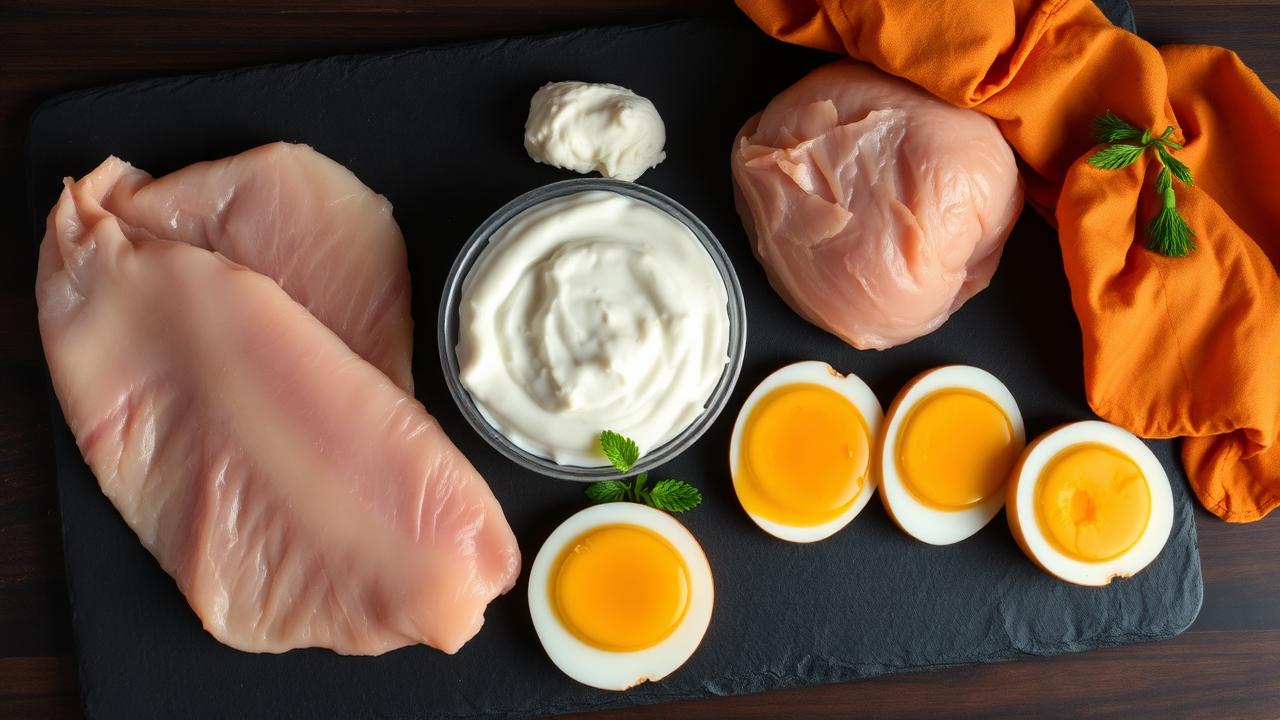
If you're training hard but not eating enough protein, you're leaving muscle on the table. Period.
The number
0.7 to 1 gram of protein per pound of bodyweight per day.
- 150 lb → 105–150 g/day
- 180 lb → 130–180 g/day
- 200 lb → 140–200 g/day
In a fat-loss phase? Push toward the higher end (1 g/lb) — it preserves muscle and increases satiety.
Why this number
Decades of research converge on this range as the point of diminishing returns. Less = suboptimal recovery. More = no extra benefit, just expensive pee.
Timing — the truth
The "anabolic window" of 30 minutes post-workout is largely a myth. Total daily intake matters far more than timing.
That said, splitting protein into 3–4 meals of 30–50 g each maximizes muscle protein synthesis throughout the day. Don't eat 200 g in one meal and call it done.
Easy ways to hit your number
| Source | Protein per serving | |--------|---------------------| | 6 oz chicken breast | 50 g | | 1 cup Greek yogurt (non-fat) | 18 g | | 4 large eggs | 24 g | | 1 scoop whey | 24 g | | 1 cup cottage cheese | 28 g | | 6 oz ground turkey 93/7 | 35 g | | Can of tuna | 30 g |
Stack 4–5 of these and you're done.
Plant-based?
Same rules, harder execution. Lean on tofu, tempeh, seitan, edamame, lentils, and a quality plant protein powder. Aim for the higher end of the range to compensate for slightly lower bioavailability.
The reality check
If you've never tracked protein, you're probably eating less than you think. Track for 3 days. Most people are 30–50 g short.
Want a [meal plan with grocery list](/meal-plan-with-grocery-list) that hits your protein target automatically? FYRBRAND builds it.
Try it free — no credit card
Stop guessing. Get your personal Blueprint.
Certified-trainer workouts, meals, and a grocery list — built for you in 60 seconds. Free.